Written by Darwin Hot Water GroupLast reviewed July 20269 min readUpdated regularly.
Start here
Quick diagnosis guide.
Hot water symptoms and their most likely causes
Symptom
Most likely cause
No hot water at all
Thermostat or heating element failure
Water only ever warm
Tempering valve mixing too much cold
Breaker keeps tripping
Failed heating element or thermostat
Water pooling around the tank
Internal tank corrosion
System older than 15 years
Replacement usually the better option
Match your symptom to the most likely cause, then work through the safe checks below for your system type.
If you can see water pooling, hear running water inside a cabinet, or smell gas, stop here. Isolate the system and treat it as an emergency.
What actually breaks
The 5 most common causes.
Most no-hot-water problems come down to one of these five. Knowing which one you are looking at tells you whether it is a cheap fix or a replacement conversation.
Faulty thermostat
One of the most common faults on electric storage systems. The thermostat tells the element when to heat; when it fails it either stops calling for heat altogether or sticks on and trips the safety cut-out.
Common symptoms
No hot water at all
Repeated power tripping
Water far hotter or colder than the set point
Licensed work — the terminals behind the cover are live.
Burnt-out heating element
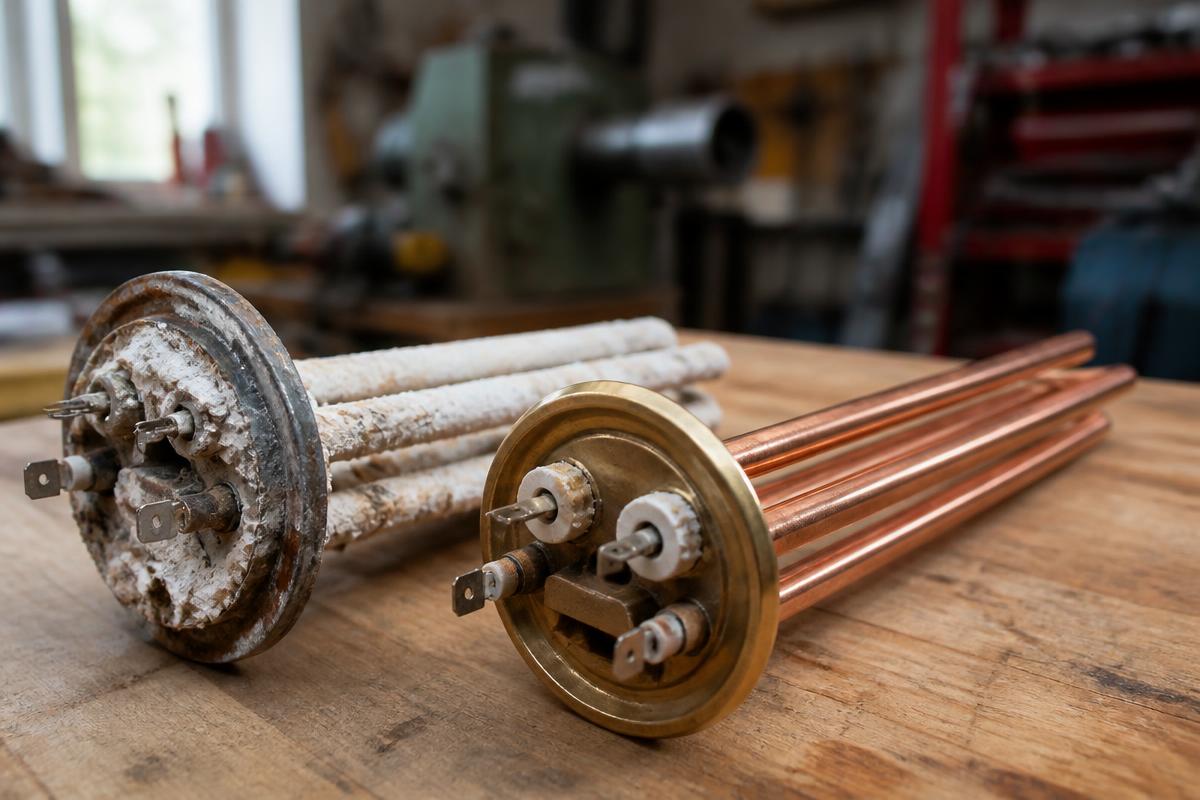
Elements are a wear item — they scale up and eventually burn out. In a twin-element tank the top one usually goes first, which is why some hot water still arrives but nowhere near enough.
Common symptoms
Only a small amount of hot water
Very slow reheating
Breaker trips when the element energises
Licensed work — but a straightforward, affordable repair.
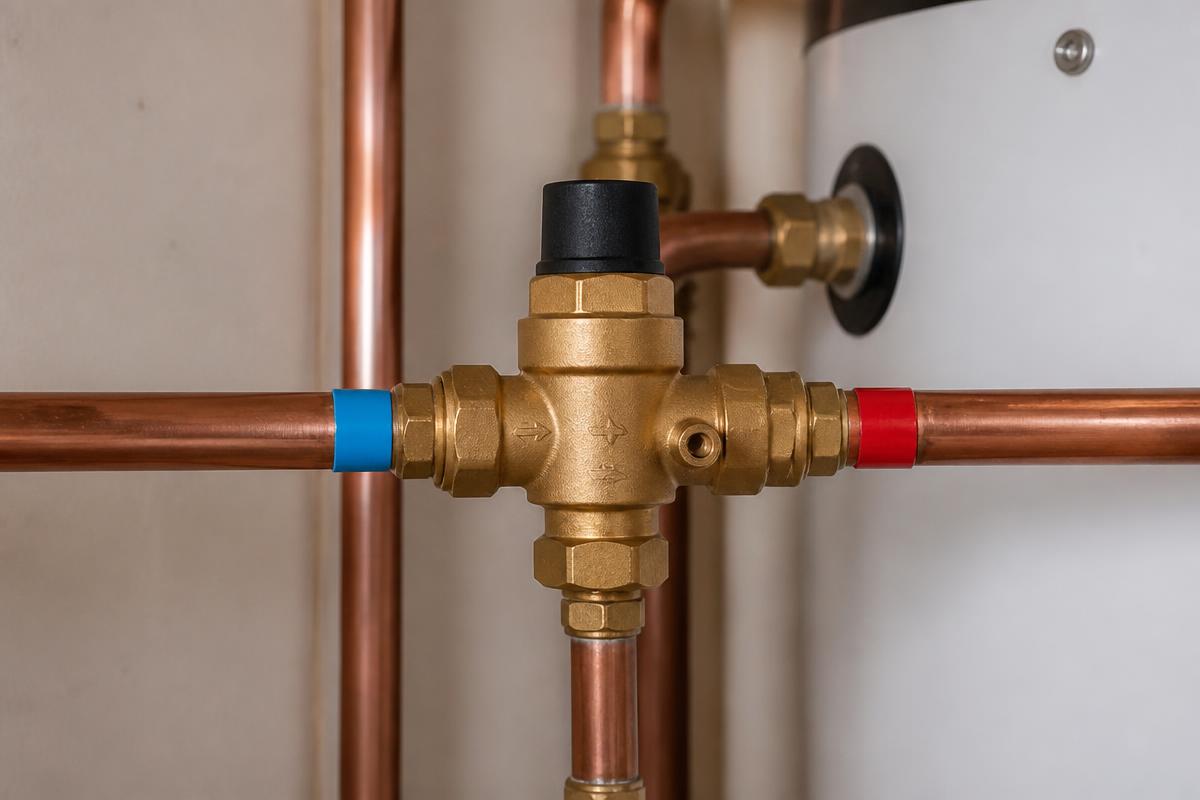
Tempering valve failure
If the water is warm rather than properly hot, the tempering valve may be mixing too much cold water into the hot supply. The tank is fine — the blend is wrong.
Common symptoms
Water only ever lukewarm
Temperature drifts between showers
Scalding water if the valve fails the other way
Licensed work — it is a scald safety device and must be set correctly.
Electrical circuit problems
Sometimes it really is just a tripped breaker at the switchboard. Reset it once. If it trips again straight away, the thermostat or element has failed and is drawing a fault current.
Common symptoms
Hot water circuit off at the board
Breaker trips again immediately
Tank cold on a controlled-load tariff
One reset is safe. A repeat trip needs a licensed trade.
Ageing hot water system
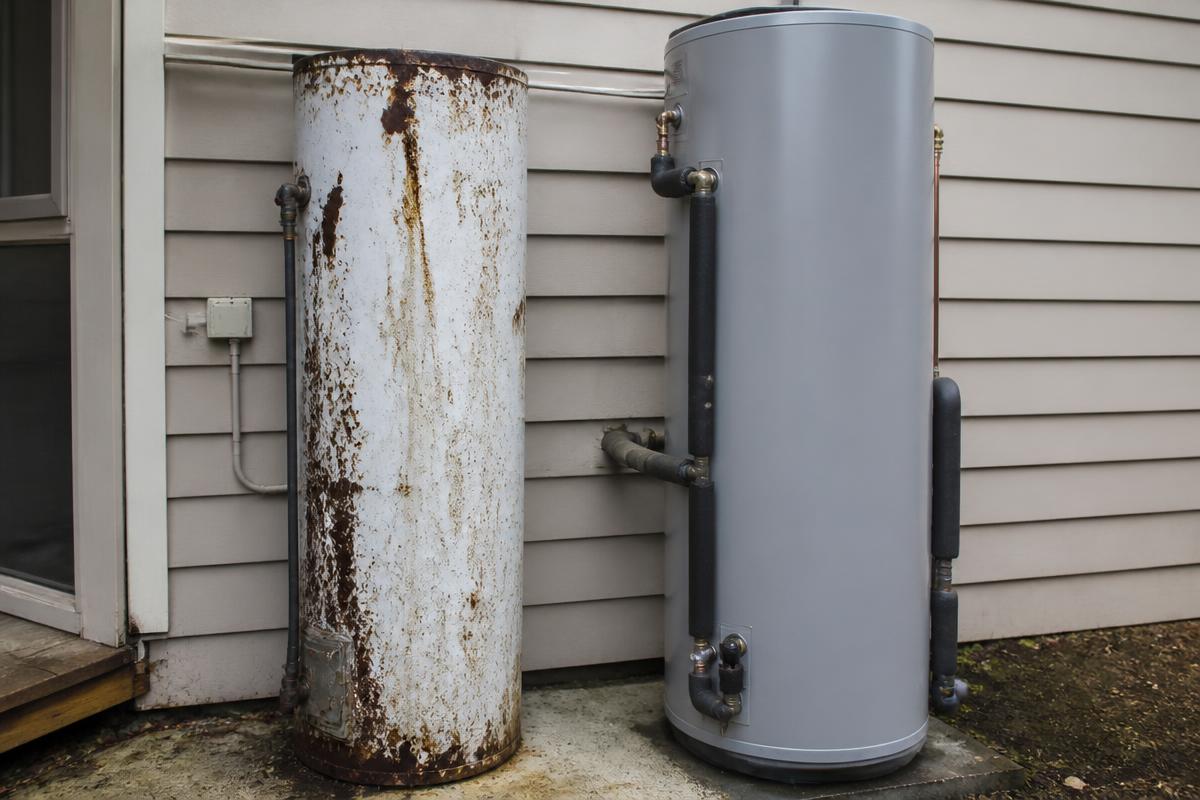
Around 8–12 years in Darwin's climate, repairs get harder to justify — sooner again on salt-exposed coastal blocks. Past that point the cylinder itself is usually the next thing to fail, and spending on parts rarely pays for itself.
Common symptoms
Rust staining or damp under the tank
Discoloured hot water
Repeat faults within a short period
We will tell you honestly when a repair is not worth the money.
Safe checks
Work through it by system type.
Before anything else
If you can see water pooling, hear running water inside a cabinet, or smell gas, stop troubleshooting. Isolate the system and treat it as an emergency hot water callout.
Electric storage systems
Most Darwin homes run on electric storage or solar, since reticulated natural gas is not available across the Top End. Start here first.
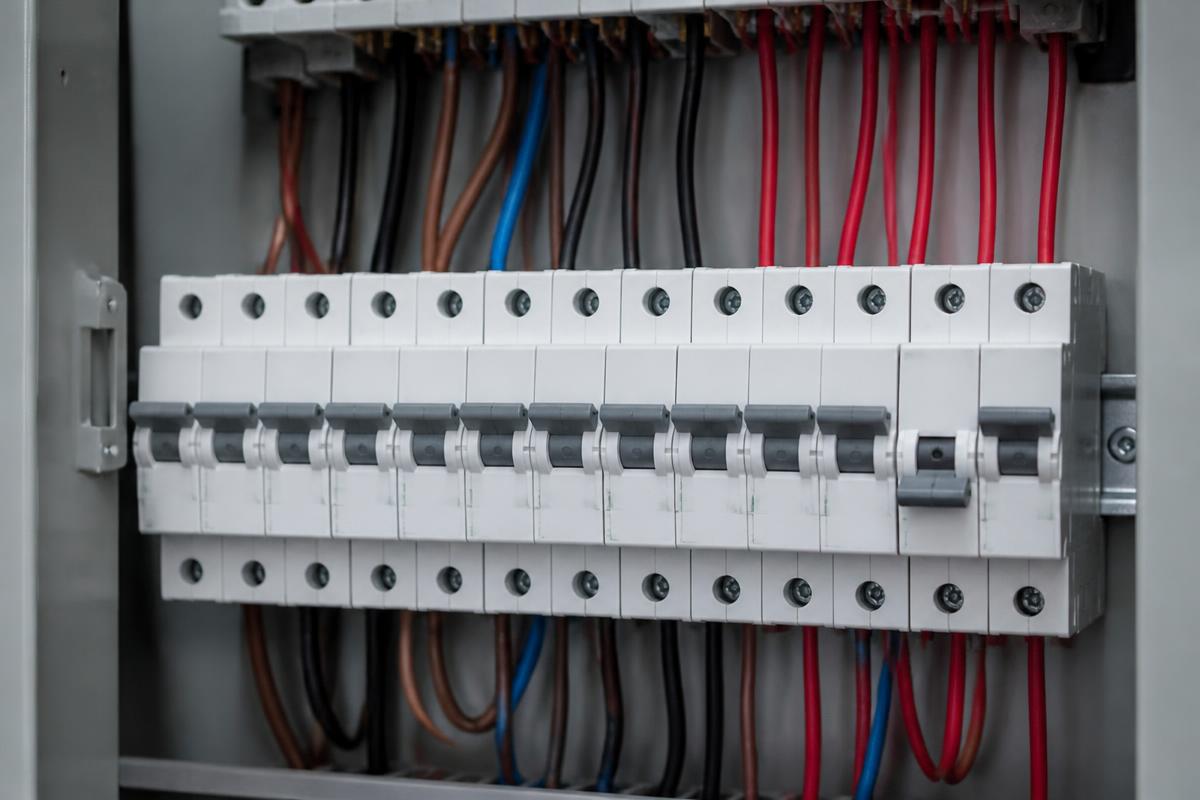
Check the switchboard: is the dedicated hot water circuit on, and has anything tripped? A tripped circuit that trips again usually means a failed element.
If you are on a controlled-load tariff, confirm the tariff is active — a metering or supply issue can leave the tank cold with nothing wrong inside it.
Look for a manual reset button on the thermostat cover. A tripped high-limit is a symptom, not the cause; if it trips again the thermostat needs replacing.
Feel the tank and check the ground beneath it for damp — corrosion is the fault you do not want to overlook, and it moves faster on salt-exposed coastal blocks.
Solar hot water
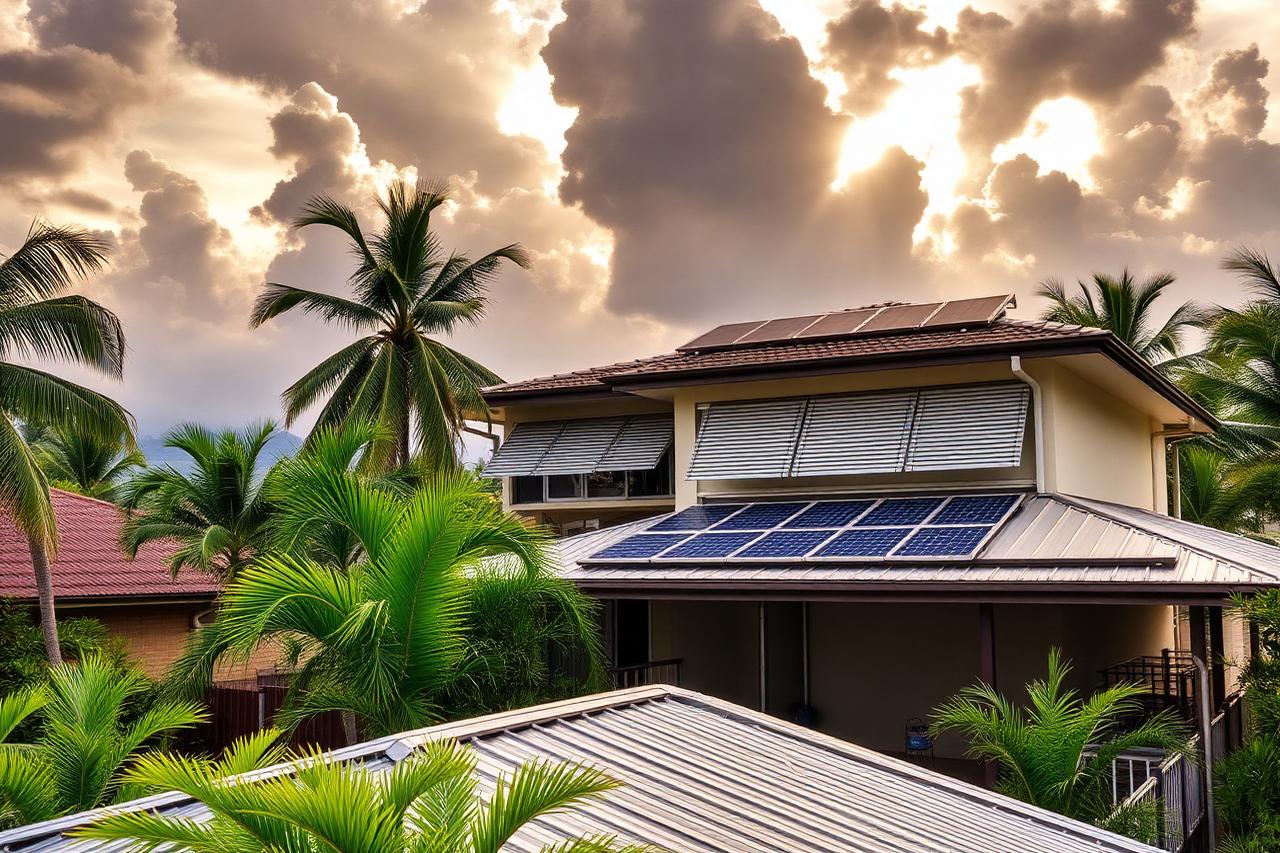
Darwin has one of the highest rates of solar hot water uptake in the country, so this is often the first system to check.
Check the electric booster switch is actually on — it is the single most common cause of a cold solar tank, and easy to knock off or leave off after other electrical work.
After a run of cloudy, humid wet-season days, low collector output is expected — confirm the booster is working and picking up the shortfall.
Check the controller display for a sensor fault code before assuming the collectors themselves are the problem.
On a split (ground-tank) system, listen for the pump running on a sunny afternoon; silence points to a pump or controller fault rather than the weather.
A booster element that has failed outright leaves the tank cold even on a run of sunny days once stored heat runs out.
LPG systems (rural properties)
Confirm the gas supply: is the bottle empty, or the isolation valve closed? Check whether other gas appliances still work.
Check whether the pilot is lit through the sight glass, and relight only per the instructions printed on the unit.
A pilot that lights but will not stay lit generally points to a thermocouple or gas valve fault — that is licensed work.
Continuous flow units
Read the error code on the controller and note it down before doing anything else.
Check the inline water filter for debris, and confirm the isolation valves are fully open — low flow can stop the unit firing.
Switch the unit off at the power point or isolation switch for a minute to clear a one-off lockout.
Heat pumps
Check for an error code and confirm the unit has power.
Confirm the fan and compressor are running during a heating cycle — silence usually means a control fault.
Check the condensate drain is clear — wet-season humidity produces far more condensate than a heat pump sees in the dry, and a blocked line can trip a float switch.
When to stop and call
Anything involving opening a thermostat cover, gas components, or the sealed parts of a heat pump is licensed work in the Northern Territory. If the checks above have not restored hot water, the fault is inside the system — book a hot water repair, and if the tank is old, read the repair or replace guide first. Related symptoms are covered in common hot water problems.
Safe checks versus licensed work
Safe for a homeowner
Resetting a tripped circuit breaker once, and noting whether it trips again.
Reading and writing down an error code.
Checking the solar booster switch position, and LPG bottle level and isolation valve position.
Clearing leaf litter or debris from a heat pump's airflow or condensate line.
Closing the cold water isolation valve if you find water escaping.
Licensed work only, in the Northern Territory
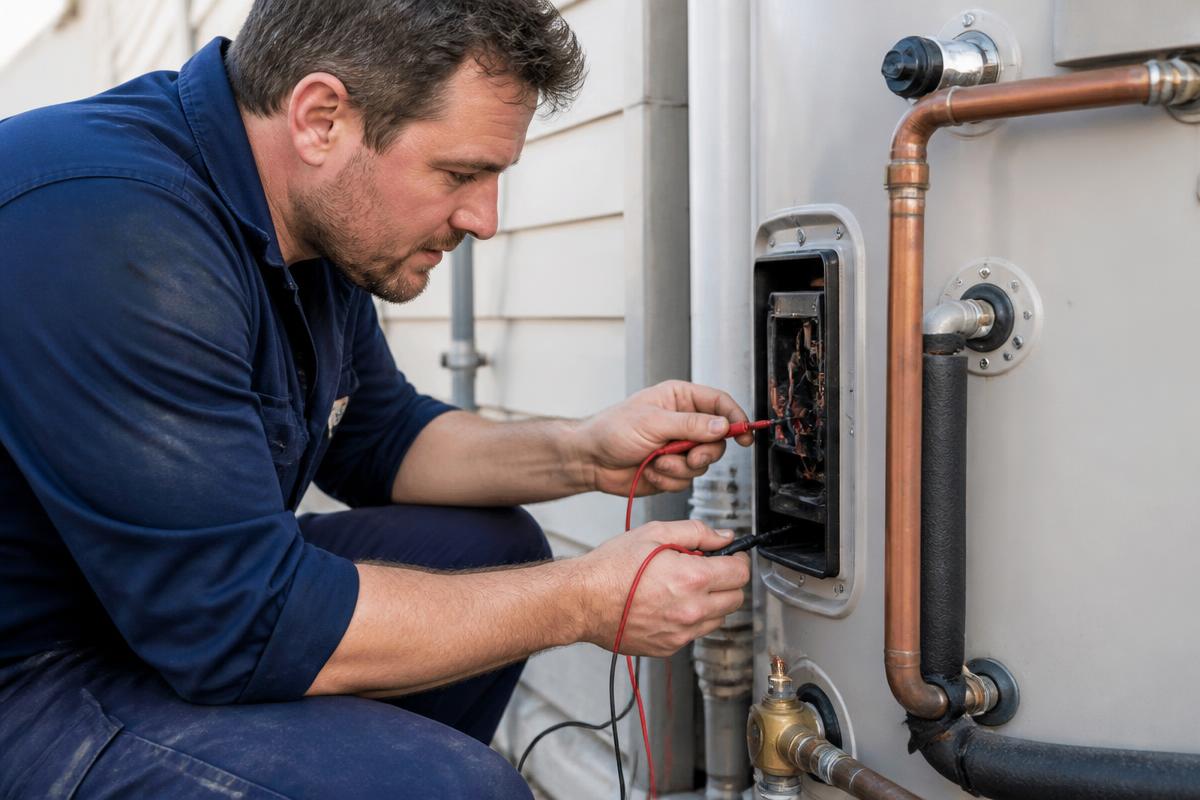
Removing a thermostat cover or testing an element — the terminals are live.
Any work on gas valves, burners, thermocouples or flues.
Anything inside a heat pump's sealed refrigerant circuit.
Replacing PTR or tempering valves, which are pressure and scald safety devices.
Things specific to Darwin homes
A few local patterns come up repeatedly. Many older elevated homes across the Northern Suburbs and Darwin City still run controlled-load electric tanks under the house, so a cold morning is a tariff question before it is a fault. Rural properties out through Humpty Doo, Howard Springs and Berry Springs run on bottled LPG, where an empty or cold bottle mimics an appliance failure. Solar systems left un-boosted through a stretch of build-up cloud are a common cause of a "sudden" cold tank that is not actually broken. Units on exposed coastal blocks are more prone to corrosion-related faults than those set well back from the sea.
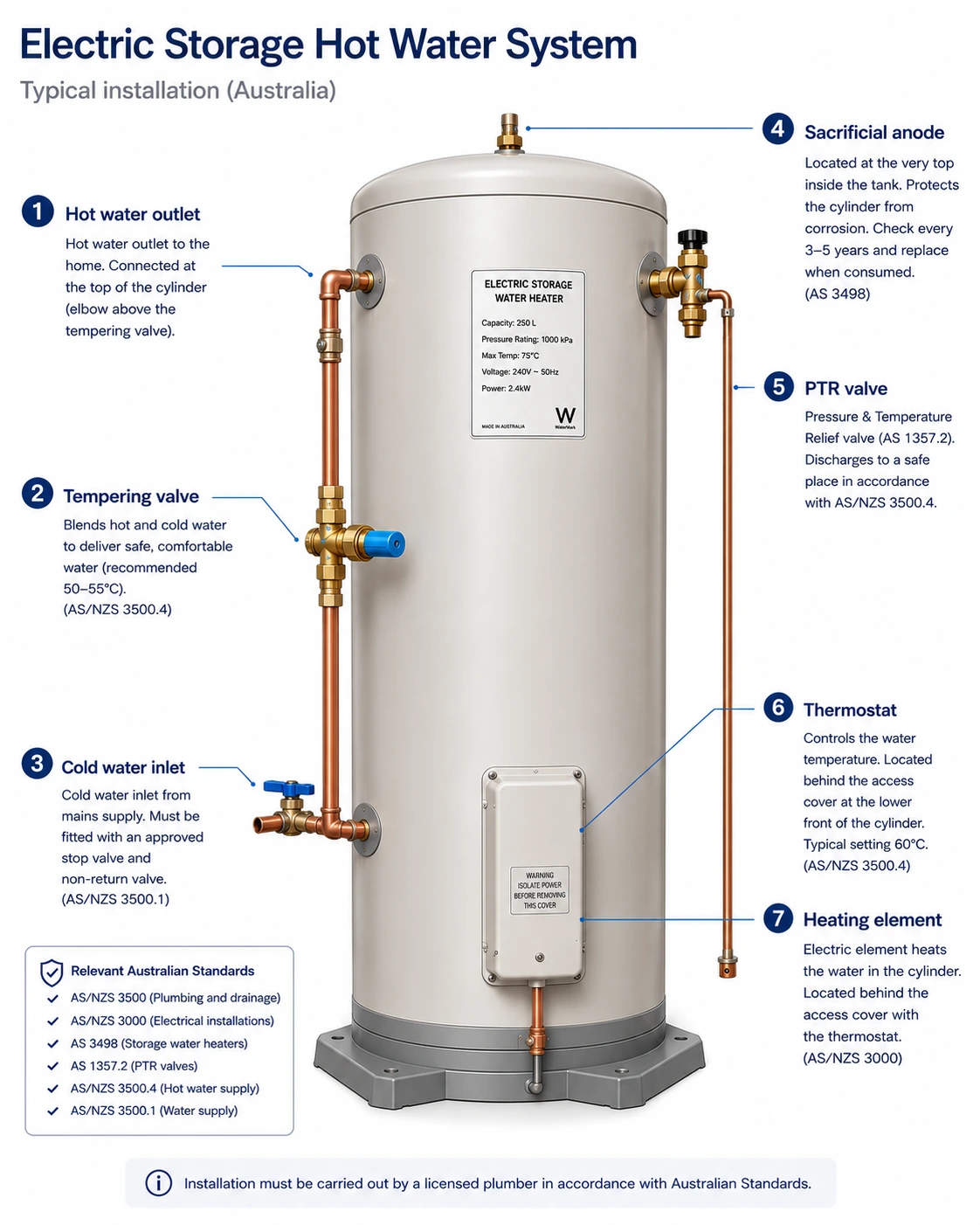
How an electric storage system works
Step 1 of 333%
Request a quote
Tell us what's happening
Answer a couple of quick questions so we can get your hot water sorted.
Most “no hot water” problems come down to the same short list. Very few are exotic faults — most are wear items reaching the end of their life.
Faulty thermostat
Burnt-out heating element
Solar booster left switched off
Tripped electrical circuit caused by an internal fault
Older systems reaching the end of their service life
Maintenance
How to make your hot water system last longer.
Two small jobs make more difference to the life of a storage system than anything else — and matter more in Darwin's tropical conditions than almost anywhere else in Australia. Manufacturers such as Rheem and Rinnai recommend both in their owner's manuals, and Australian plumbing practice treats them as routine service items.
Operate the PTR valve occasionally
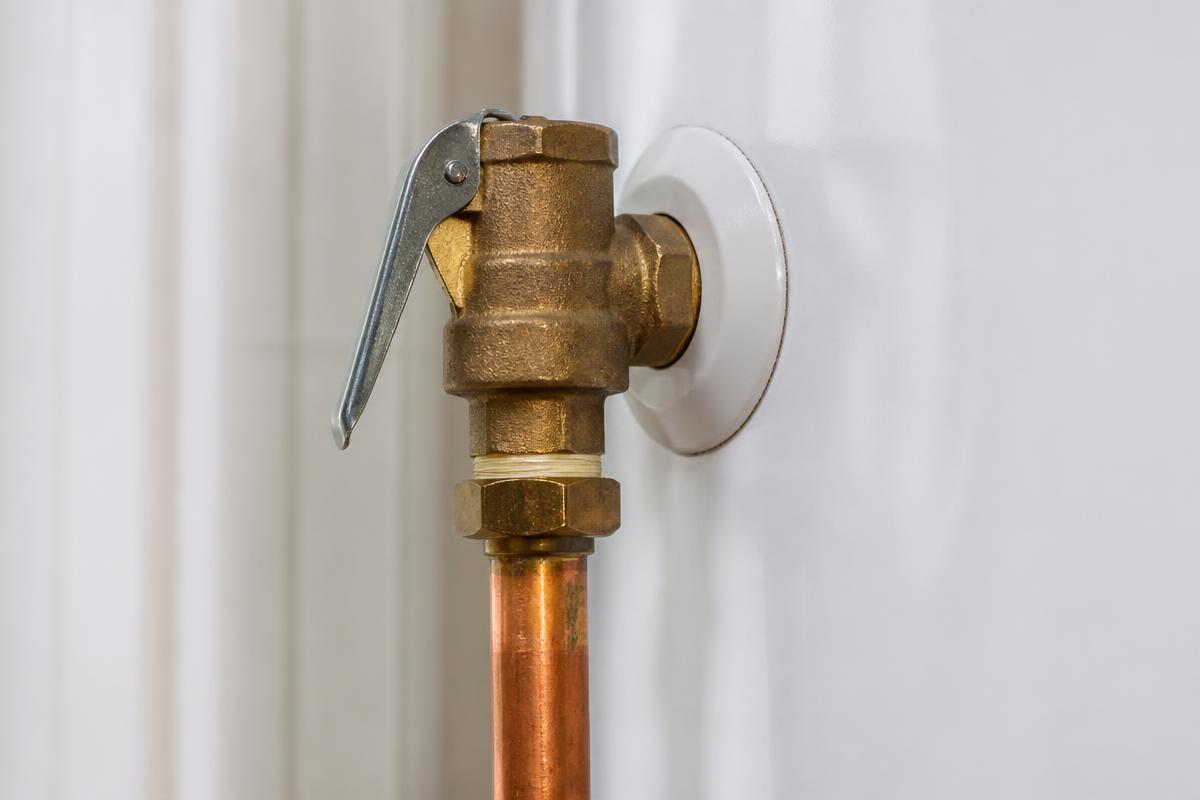
The pressure and temperature relief valve is the tank's primary safety device. Most manufacturers ask that it be eased open briefly every six months so it does not seize shut with mineral deposits. Lift the lever, let it discharge for a couple of seconds, then release it — the water leaving the drain line will be scalding, so keep well clear of the outlet.
If it will not seat again afterwards, or it drips continuously, the valve is due for replacement. That is licensed work and should be booked in rather than left running.
Replace the sacrificial anode
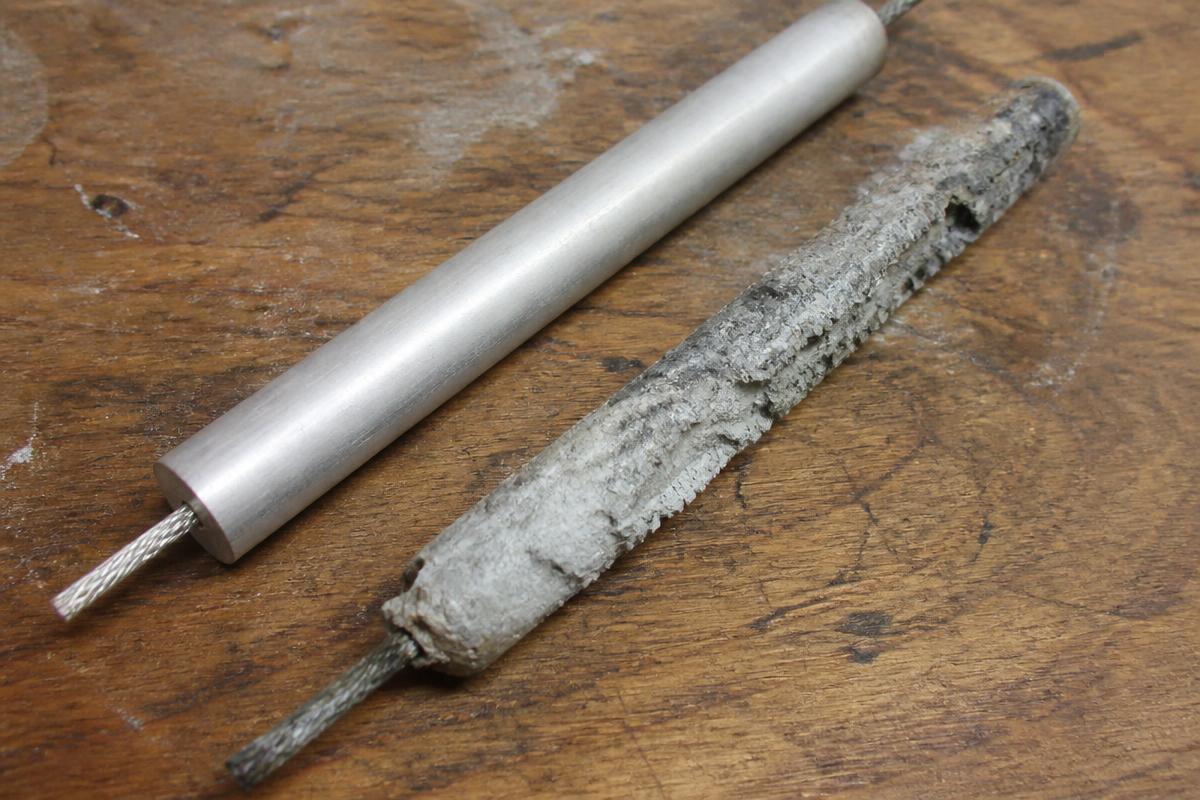
The anode is a rod that corrodes so the steel cylinder does not. It is consumed over time, and once it is gone the tank starts eating itself. Most homeowners never replace it — which is precisely why so many tanks fail from the inside out, and it happens faster here given Darwin's salt-laden coastal air and humidity.
Checked at around five years and replaced when it is worn, an anode can add years to a storage system for a fraction of the cost of a new one. It is a plumber's job: the tank must be isolated and drained down before the rod comes out.
Local conditions
Hot water through Darwin's wet season.
Darwin wet-season tip
Check your fittings and condensate drain before the build-up.
Darwin's wet season brings monsoonal downpours, high humidity and salt-laden air that accelerates corrosion on exposed fittings, especially in coastal and elevated homes. Check that tie-downs and fixings on outdoor and under-house units are still secure ahead of cyclone season, and that the PTR drain line and any heat pump condensate line are clear — condensate volumes rise sharply once the humidity sets in.
The good news: Darwin's water is generally soft, so scale and sediment cause far fewer problems here than in harder-water parts of the country. In Darwin, corrosion and heat damage are more common than scale.
Repair or replace
When is it worth repairing?
Age is the single best predictor. Use it as a first filter before you spend anything on parts.
0–5 years
Usually worth repairing
Often still under manufacturer warranty. Repair is almost always the right call.
5–10 years
Most repairs remain economical
Elements, thermostats and valves are wear items and are worth replacing at this age.
10–15 years
Depends on the repair cost
A cheap part is fine. A major repair on an ageing tank rarely pays for itself.
15+ years
Replacement is usually better value
The tank is past typical service life; the next failure is likely to be the cylinder itself.
On a controlled-load electric system, the tank reheats overnight — if the element or thermostat failed during the day you will notice it the next morning. Check the hot water circuit at the switchboard first; if it has tripped, that itself points to a failed element.
My continuous flow unit has an error code. What now?
+
Continuous flow units display a code that identifies the fault area — ignition, flame failure, overheat or water flow. Turning the unit off at the isolation switch for a minute can clear a one-off lockout, but a repeating code needs a licensed technician.
Is it safe to relight an LPG pilot myself?
+
Only follow the manufacturer's instructions printed on the unit, and stop immediately if you smell gas. If the pilot will not stay lit, the thermocouple or gas valve is the likely fault and needs a licensed gas fitter.
Can a wet-season week stop my hot water working?
+
Yes, if you rely on solar. A run of overcast, humid days reduces collector output, so the electric booster needs to be switched on and working properly to carry the household. If the booster has failed or been left off, the tank runs cold once the stored heat is used up.
How long should I wait for the tank to reheat?
+
A storage tank that has been fully drained takes roughly one to two hours to produce usable hot water and around three to four to fully recover, depending on capacity. On a controlled-load tariff it will not reheat at all until the off-peak period starts, which is why the problem is often noticed the following morning.
If the checks above haven't solved it, the fault is inside the system. We'll diagnose it on site, tell you exactly what has failed, and explain the options — repair or replacement — with a price before any work begins.