Electric Hot Water
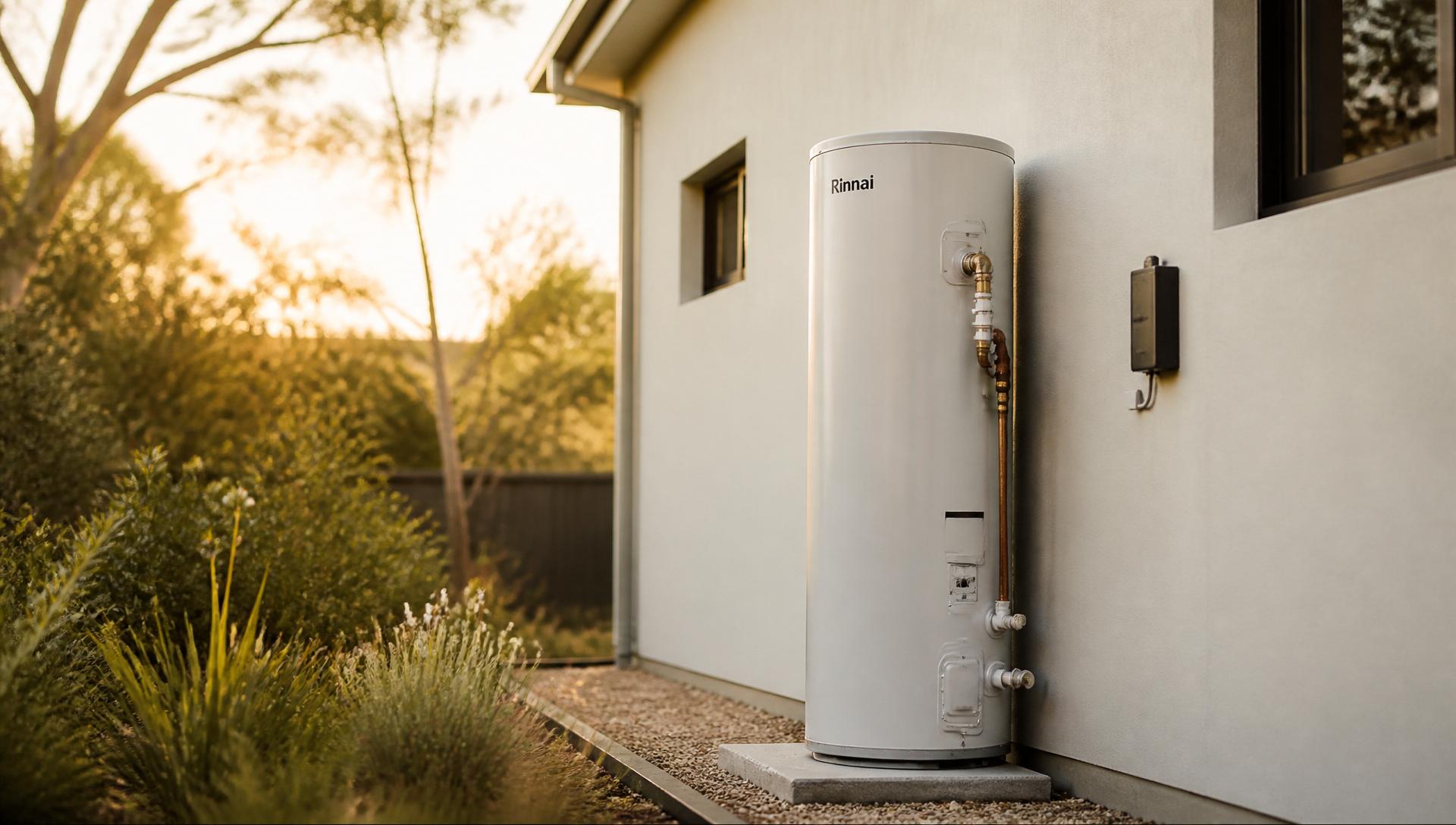
Storage tanks with an internal element and thermostat. Reliable, straightforward to service, and available in sizes from 25L to 400L to suit any Darwin household. With no reticulated natural gas across most of the Top End, electric storage remains the most common system in Darwin homes.
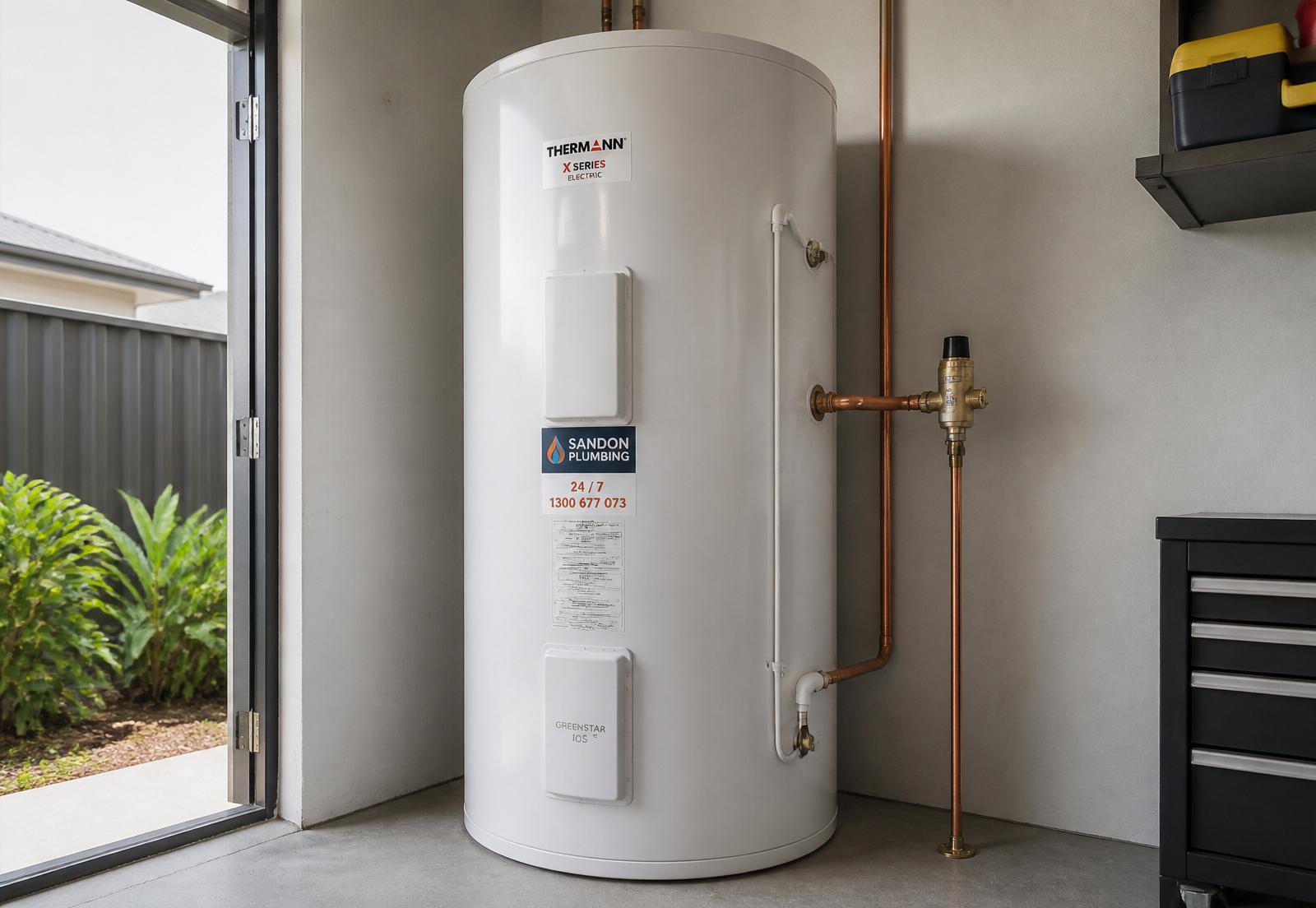
Is electric right for you?
- Homes without gas
- Solar PV households
- Straightforward replacement
We install, replace and repair electric hot water systems from all the major Australian brands. Not sure if it's the right fit? Send through an enquiry and we'll walk you through it.
Already have this system and it has stopped working? See hot water repairs, replacement or emergency help.
Tell us what's happening
Answer a couple of quick questions so we can get your hot water sorted.
Prefer to speak now? Call (08) 7918 2405
What to know about electric hot water.
- Typical service life
- Around a decade, longer where the anode has been maintained.
- Replacement time
- Most like-for-like swaps are a few hours.
- Common failures
- Element, thermostat, PTR valve, then eventually the cylinder.
- Best fit
- Homes without gas, and off-peak tariff setups.
Electric storage remains the simplest answer for most homes: the part count is low, parts are widely available, and a failed element or thermostat is a routine repair rather than a replacement. The trade-off is running cost, which is why an off-peak tariff or a heat pump upgrade is worth discussing when the tank is due.
What to watch for
- Rusty or discoloured hot water — usually the inner cylinder, not the pipework.
- Water pooling under the tank rather than dripping from the relief drain.
- Hot water that runs out sooner than it used to, which often points to a failing element.
Electric storage vs heat pump
The most common upgrade question when an electric tank is at the end of its life.
| Electric storage | Heat pump | |
|---|---|---|
| How it heats | Resistive element heats the water directly | Moves heat from ambient air into the tank |
| Energy use | Highest electricity use per litre heated | A fraction of the electricity of a standard element |
| Upfront cost | Lowest upfront | Higher upfront, often reduced by STCs |
| Noise | Silent | Compressor and fan noise — placement matters |
| Darwin climate | Unaffected by ambient temperature | Warm ambient air keeps it efficient year-round |
| Install | Usually a direct swap | Needs airflow, clearance and condensate drainage |
Still deciding? Read repair or replace and the Darwin replacement cost guide, or ask us — advice over the phone costs nothing.
Electric Hot Water — installed and serviced by specialists.
Licensed, insured plumbers, all major brands, and a clear price before any work is agreed.
Licensed & insured
Hot water work is carried out by Northern Territory licensed, insured plumbers — with the paperwork you need for warranty claims.
Hot water specialists
We work on hot water every day: storage, continuous flow, heat pump and solar, across all the major Australian brands.
Fast, prioritised response
Urgent no-hot-water and leak calls are prioritised, with same-day service wherever the day allows.
Electric Hot Water questions.
How long does an electric storage system last?
+
Typical service life is around a decade, though tank condition, water quality and whether the sacrificial anode was ever replaced all move that in either direction.
Can I keep my off-peak tariff?
+
In most cases a like-for-like electric storage replacement keeps your existing tariff arrangement. We check the switchboard and the existing circuit before quoting.
What size tank do I need?
+
It depends on household size and how much hot water is used back-to-back. Undersizing is the most common complaint after a replacement, so we size against actual usage rather than bedroom count.
Why is only some of my water hot?
+
On a twin-element tank that usually points to a failed lower element: the upper element still heats the top of the cylinder, so you get a short run of hot water and then cold.
More answers in our hot water FAQ hub and the learning centre.
Electric hot water, close to home.
Other systems.
Compare all →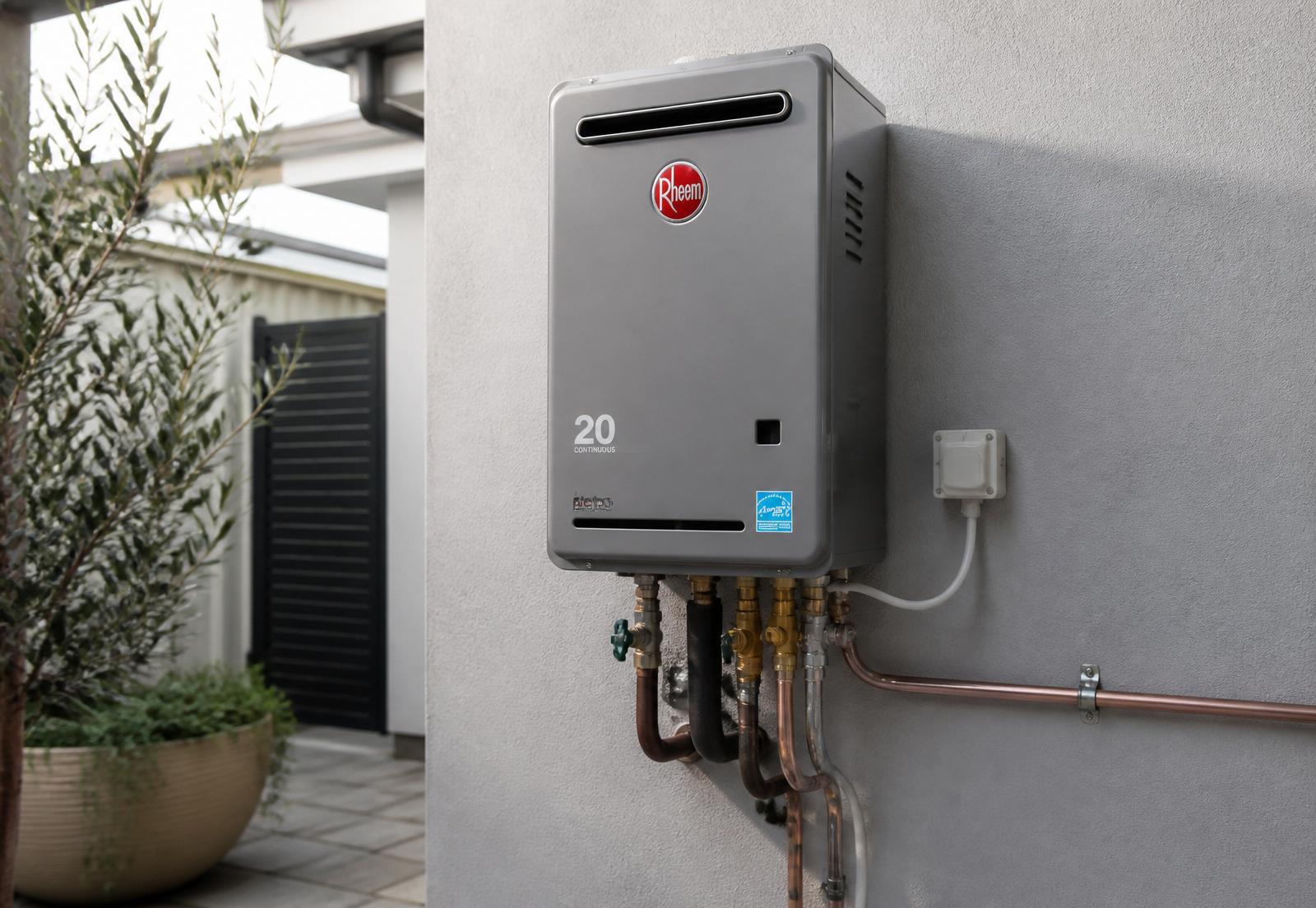
Gas
LPG storage where bottled gas is already on site.
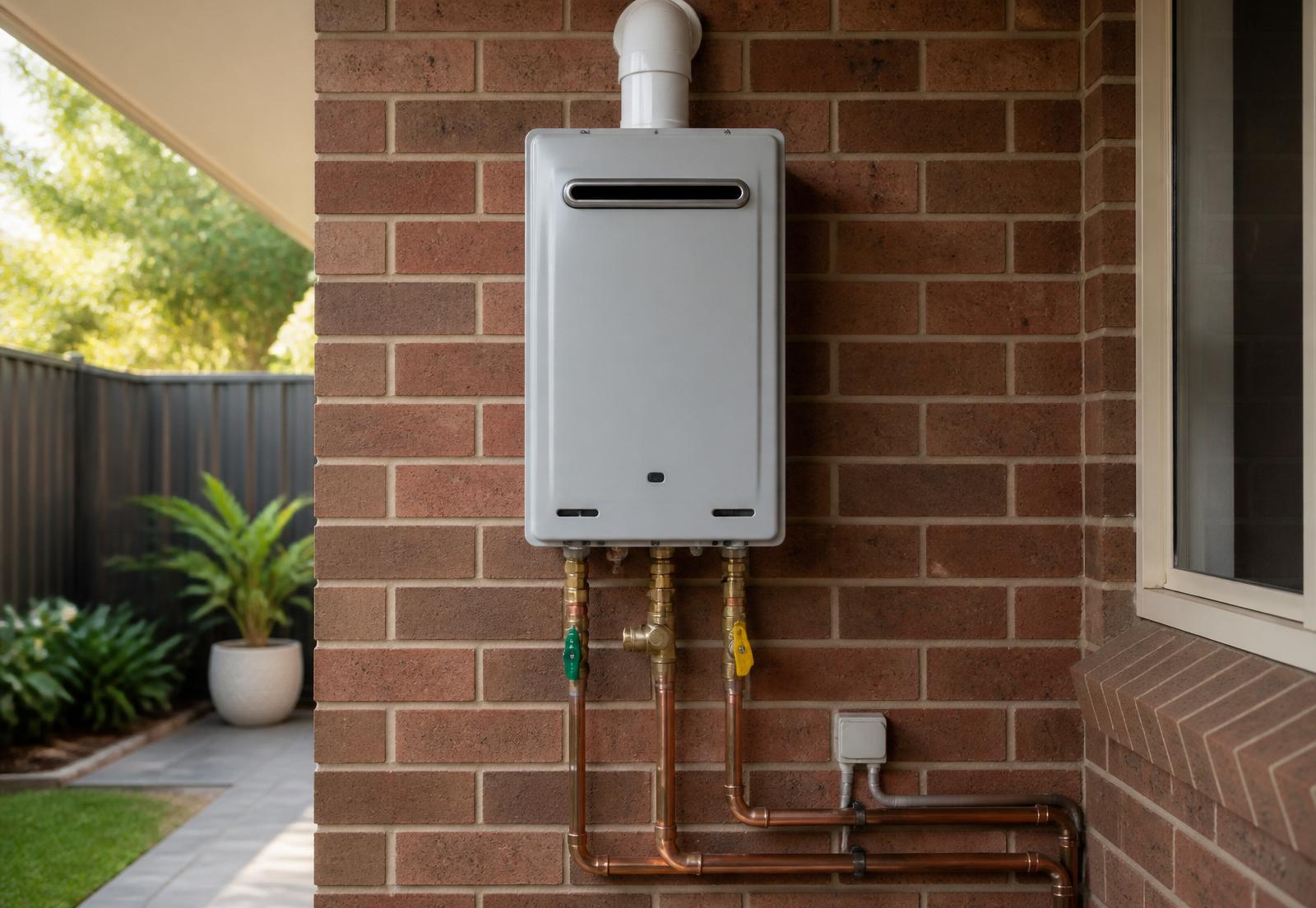
Continuous Flow
Endless hot water, no tank, wall-mounted.
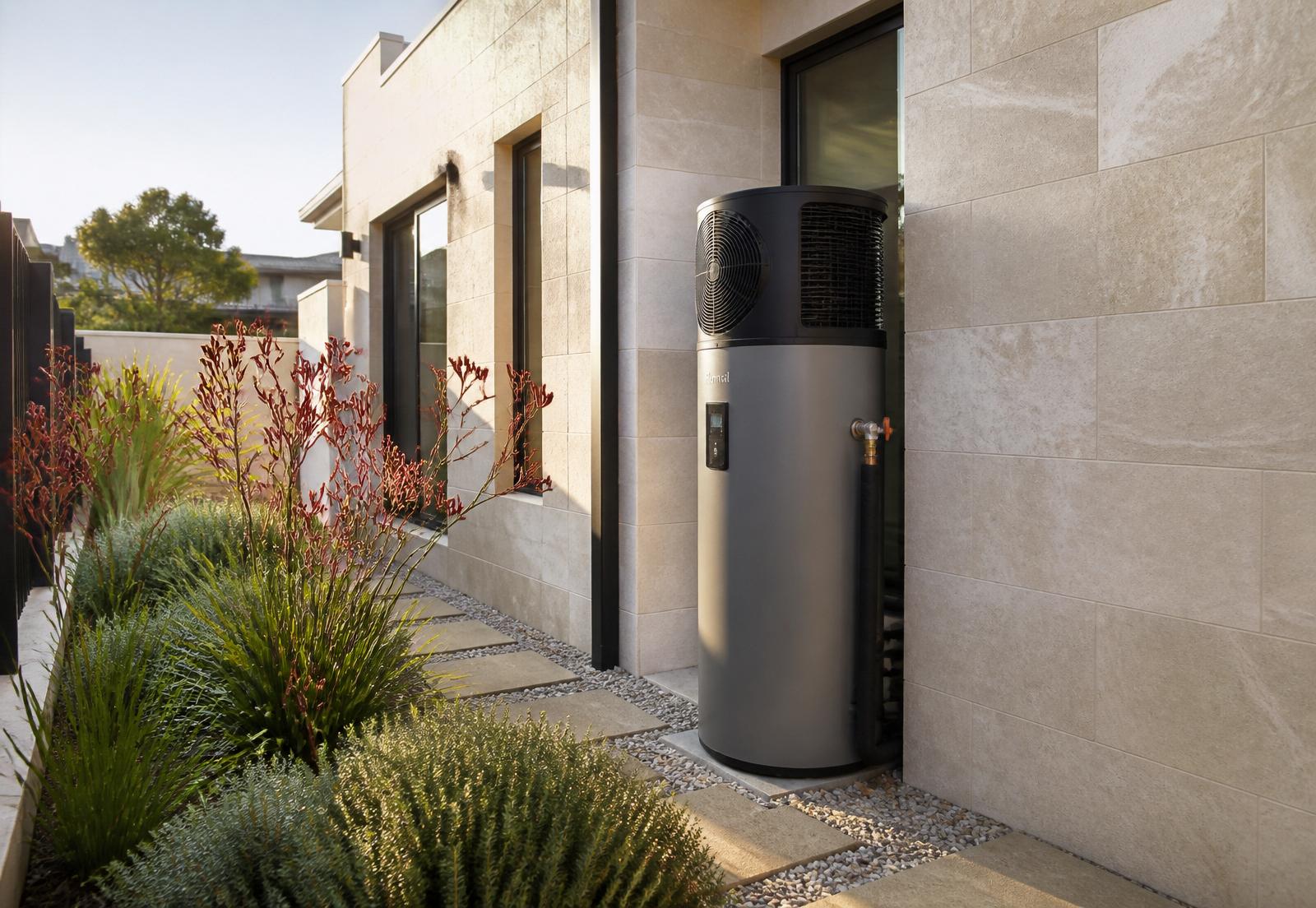
Heat Pump
Efficient year-round in Darwin's warm ambient air.
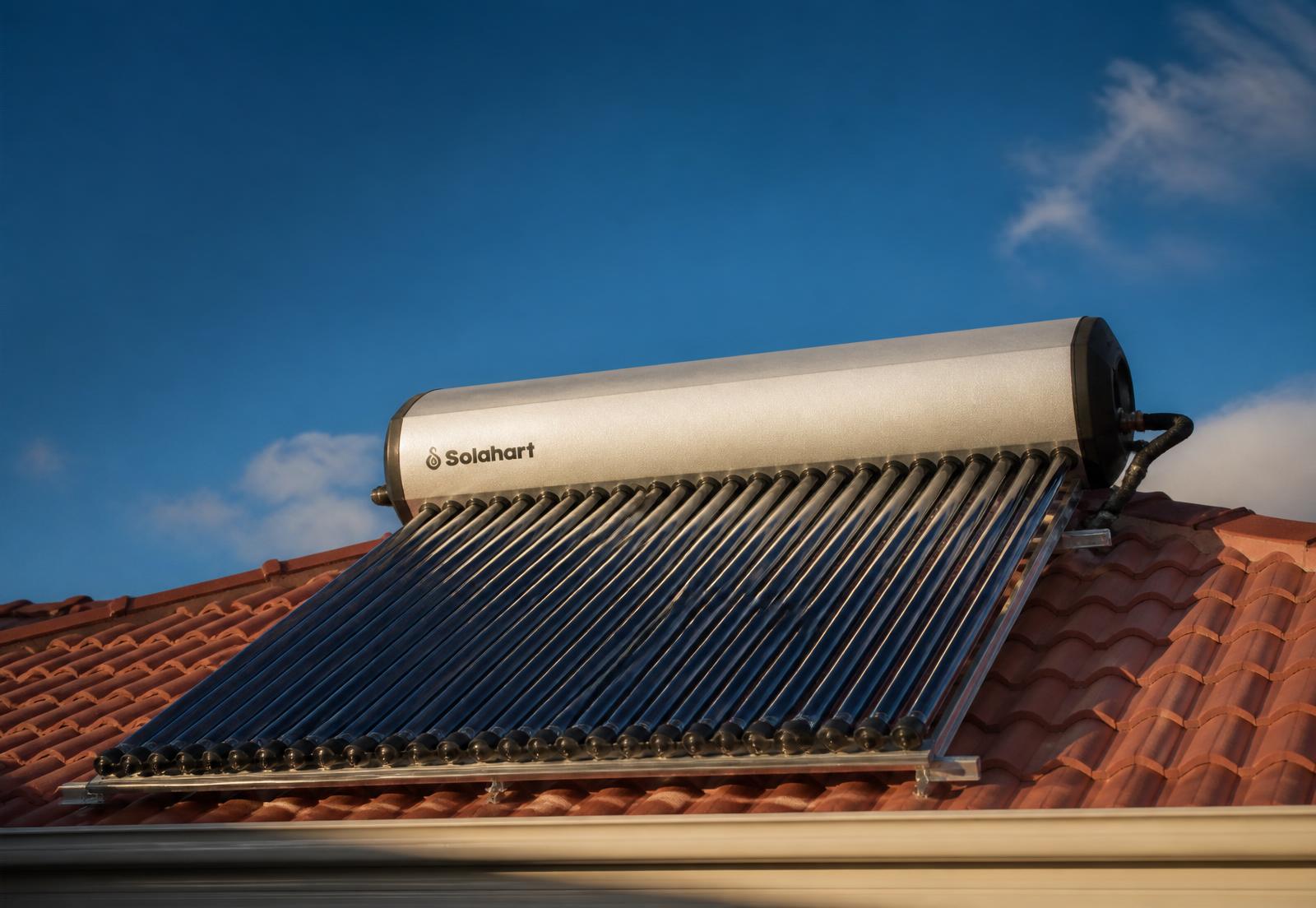
Solar
A natural fit for the Top End's solar resource.
Ready to get your hot water sorted?
Send through a quick enquiry and we'll get back to you fast to help sort your hot water.